Scopri quando andare alle Maldive: stagione secca, monsoni, periodi di punta e momenti nascosti per un viaggio lento e consapevole.
When to Go to the Maldives: Understanding the Rhythm of the Archipelago
The question of when to visit the Maldives has no single answer, and that is precisely part of its appeal. The archipelago follows a climatic calendar that divides the year into two distinct seasons, each with its own character, its own quality of light, its own pace. Travelers who approach the islands with intention, looking for something beyond a simple escape, find in this alternation an invitation to choose their moment with care.
The Maldives sit just north of the equator, in a tropical band where temperature swings are minimal throughout the year: air temperatures hover between 27 and 31 degrees Celsius, and sea temperatures rarely dip below 28 degrees. What changes significantly is the monsoon, which shapes humidity, wind, underwater visibility, and even the quality of light at sunset.

The Dry Season: November Through April
The period from November to April is governed by the northeast monsoon, known locally as Iruvai. This wind brings drier air, clear skies, and calm seas, conditions that make underwater visibility exceptional and transfers by seaplane or boat considerably smoother. It is the season most travelers know and choose, and for good reason.
December, January, and February mark the height of the dry season. Days are bright, rainfall is rare, and the coral reef reveals itself in full chromatic depth. For divers, this is when visibility reaches 30 meters and beyond across many atolls. Diamonds Athuruga, in South Ari Atoll, is particularly sought after during these months for its proximity to dive sites regularly visited by manta rays and whale sharks.

March and April mark the transition toward the southwest monsoon. Temperatures climb slightly and humidity begins to build during the middle of the day, yet conditions remain favorable for most activities. April is often an underrated month: less crowded than December and January, with more accessible rates and a quality of stay that holds its own against the peak months.
Christmas and New Year: Beauty and Trade-offs
The Christmas period is the most in-demand window of the year, with resorts selling out up to twelve months in advance. Anyone hoping to stay during this window needs to plan well ahead, particularly for the most exclusive properties. The appeal is genuine: perfect light, flat seas, and a festive atmosphere that settles surprisingly well into the quietude of the atolls. The trade-off is pricing, which reaches its annual peak, along with a higher guest count than at other times of year.
The Southwest Monsoon: May Through October
The Hulhangu monsoon, which moves through the Maldives from May to October, brings a dramatic shift in atmosphere. Cloud cover builds more frequently, rain arrives in short but intense afternoon bursts, and the sea can turn choppy, especially between June and August. Many resorts scale back water activities or shift them to the morning hours, when conditions tend to be more settled.
Yet this season holds its own distinct appeal for the unhurried traveler. The light is softer and more diffuse, the ocean takes on deeper tones, and resorts are noticeably quieter. Certain atolls, such as Noonu, are more sheltered than the southern atolls during the southwest monsoon, offering better-than-average conditions. Sun Siyam Iru Fushi, in Noonu Atoll, maintains a high standard of stay even during the low season, thanks to its geographic position and the scale of its private island.
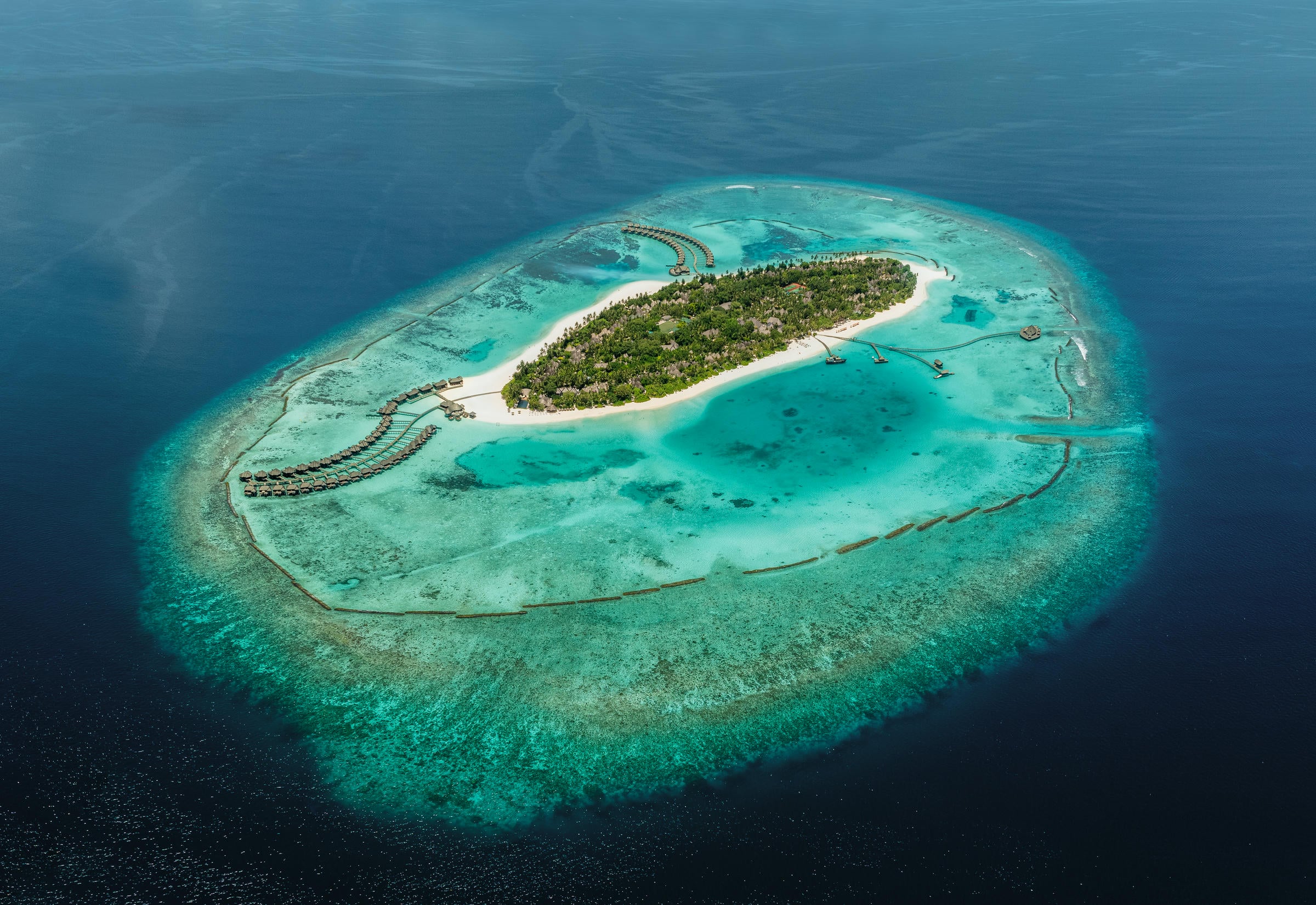
July and August deserve a closer look. They fall squarely within the monsoon season, yet European travel demand keeps them consistently busy. Families and travelers tied to school calendars often choose August, accepting the possibility of overcast days in exchange for rates that, compared to December, remain more manageable. Maldives luxury August 2026 bookings are already showing strong momentum, with resorts rolling out Maldives early bird offers for August to reward guests who plan ahead by several months.
June and September: The In-Between Months
June and September are the most interesting shoulder months for travelers with flexibility. In June the monsoon has only just begun, and conditions are often still favorable, with rates already softening from the dry-season high. September, meanwhile, anticipates the return of the dry season and increasingly offers stretches of fine weather. Both months make it possible to secure high-caliber resorts at availability and rates that would be unthinkable during the heart of the dry season, making them prime territory for Maldives green season deals.
Natural Events That Shape the Calendar
Beyond the seasonal cycle, the Maldives offers natural phenomena that follow their own schedule and can genuinely inform the choice of travel dates. Whale sharks frequent the waters of Ari Atoll with greater regularity between August and November, a fact that turns the low season into a real opportunity for diving and snorkeling enthusiasts. Manta rays are present in various atolls for much of the year, but aggregation behavior is most frequent between May and November.
Bioluminescence, the phenomenon by which plankton lights up the night water in electric blue, occurs unpredictably but with greater frequency during the warmer months. Guests who have stayed at Siyam World Maldives, in Noonu Atoll, describe bioluminescent nights as moments of absolute stillness, walking the shoreline while the water answers each step with cold flashes of light.

Choosing the Right Moment for Slow Travel
For those who practice slow travel, finding the ideal time is not simply a matter of optimal weather. Slow travel demands a season that allows for stillness, observation, and the kind of unhurried ease where time expands rather than contracts. In this sense, the shoulder months, October, November, April, and May, often offer the most balanced combination: workable conditions, fewer guests, more attentive staff, and a generally more intimate atmosphere.
October may be the most underestimated month in the entire Maldivian calendar. The monsoon is retreating, rainfall grows less frequent, and resorts that operated at reduced capacity over the summer return to full swing. Rates have not yet climbed to December levels, and service quality is often at its sharpest, with teams that have had time to prepare for the approaching high season. Sun Siyam Iru Veli, in Dhaalu Atoll, is a strong example of a resort that comes into its own during these transitional months, when the lagoon regains its clarity and the beaches can be walked in solitude in the early morning hours.
Planning a stay in the Maldives takes time and reliable information, because every resort has geographic and structural characteristics that make it better or less suited to certain times of year. The dedicated property pages on this portal offer up-to-date detail on seasonality, availability, and specific packages for each window of the year, making it possible to build an itinerary that genuinely fits your own pace of travel.
Ready to live the Maldives like this?
Our concierge builds your tailored itinerary. Direct contracts, guaranteed prices, no hidden fees.
Plan your trip →